
Why the Future Lies in Local Food and Short Supply Chains
How to increase food quality by encouraging local production and how to distribute locally produced food to customers efficiently.

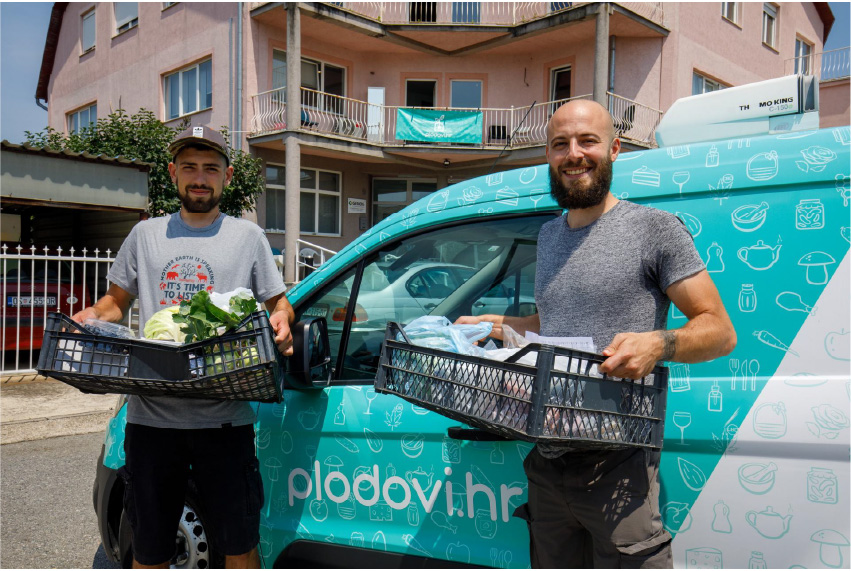
The future leans toward short food supply chains for several reasons, with benefits spanning environmental, economic, and social dimensions. Here’s why short supply chains are gaining importance:
- Reduced Environmental Impact: Local food production and shorter supply chains cut down on the need for long-haul transportation, which reduces fuel consumption, carbon emissions, and pollution. By decreasing the distance food travels from farm to plate, short supply chains can contribute significantly to environmental sustainability.
- Fresher, Healthier Food: Shorter supply chains mean that food reaches consumers faster, often allowing it to be sold at peak freshness and nutritional value. This reduces the need for preservatives or other processes designed to extend shelf life, meaning consumers enjoy higher-quality, fresher produce.
- Stronger Local Economies: By supporting local farms and businesses, short supply chains help keep money within communities, which can boost local economies. When people buy locally produced food, they directly support small-scale farmers and food producers, creating a more resilient and self-sustaining local economy.
- Enhanced Food Security and Resilience: Short supply chains help communities be less reliant on global supply networks, which can be vulnerable to disruptions like those seen during the COVID-19 pandemic. With more locally sourced food, communities are better equipped to withstand crises that could disrupt international supply chains.
- Reduced Food Waste: Locally sourced food is often distributed more efficiently, with fewer opportunities for spoilage in transit or storage. Since the food doesn’t need to travel as far or stay fresh for as long, it can be picked and sold closer to ripeness, reducing waste both during production and in consumers' homes.
- Better Transparency and Trust: Short supply chains foster a direct relationship between producers and consumers, which can build trust and ensure greater transparency about farming practices. Consumers can often trace where their food comes from, gaining insight into the production process and supporting farmers whose practices align with their values.
- Innovation and Adaptation: Shorter supply chains encourage local producers to innovate, producing more specialized or diverse crops that appeal to local tastes. With fewer intermediaries, producers can respond to market changes and customer preferences more quickly, increasing the variety and quality of food options.

These benefits make short food supply chains an increasingly attractive model for the future, offering sustainability, resilience, and quality that align with the needs of modern consumers and the challenges facing our food systems.
Date: 1/17/2024


